
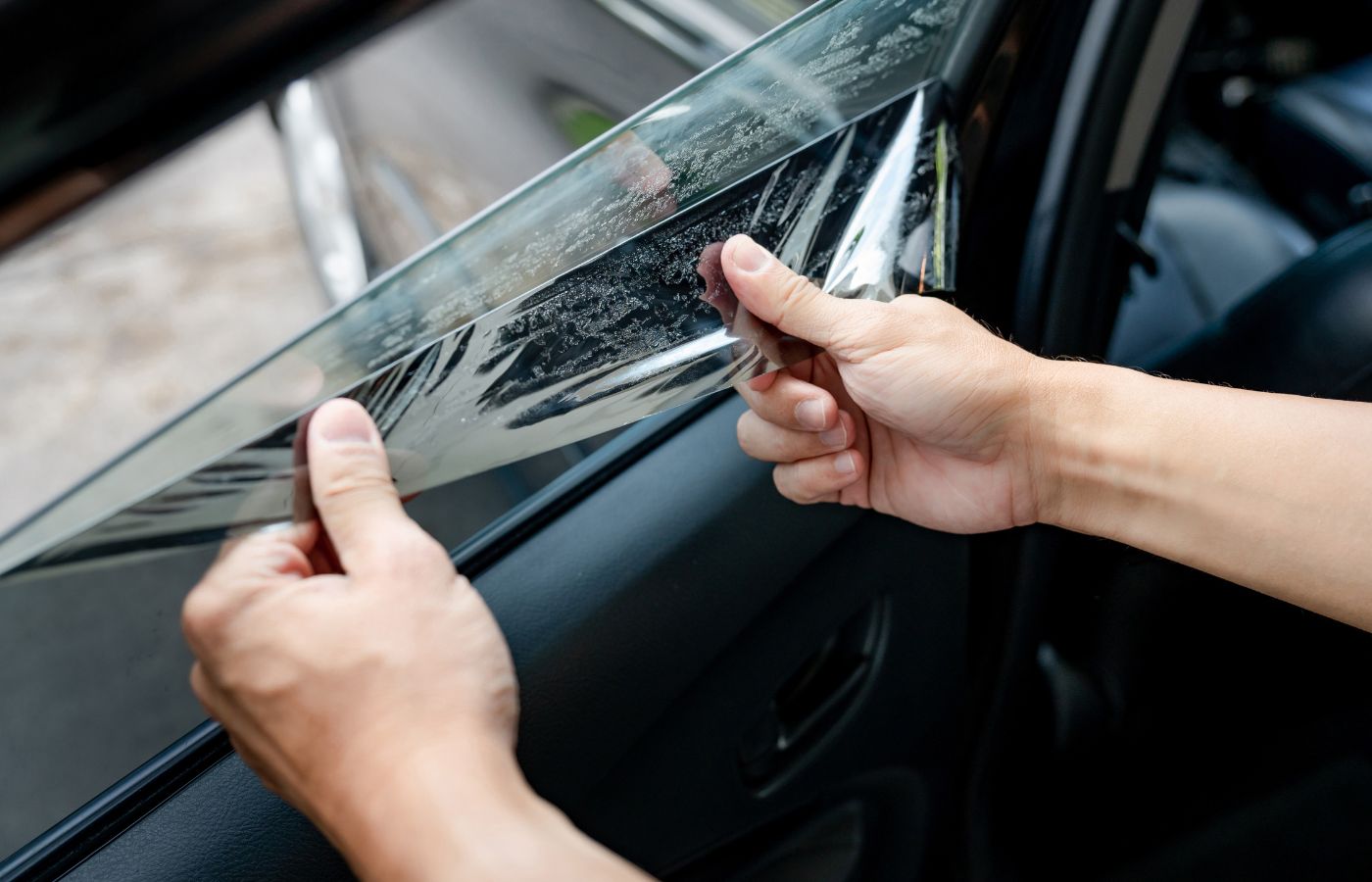
Window tint isn’t just about looks. It’s about comfort, safety, and performance — all key reasons why both everyday drivers and professionals invest in it. From heat rejection and UV protection to privacy and glare reduction, automotive window films enhance vehicle safety and comfort.
For installers, tinting is also a skill — a balance of film choice, preparation, and precision. To deliver perfect results, professionals rely on specialized tools like Tint Hozilla’s professional-grade sprayer keg setups, designed to make every installation faster and cleaner.
What Is Window Tint?
Window tint (or window film) is a thin polyester layer applied to glass surfaces. It’s typically made from PET (polyethylene terephthalate), known for its clarity and tensile strength.
These films are engineered to block specific wavelengths of sunlight — particularly infrared and ultraviolet light — while allowing visible light to pass through. Depending on the type, tint film can enhance comfort, improve safety, and even reduce interior fading.
Tint films come with adhesive layers that bond to the glass surface using heat or pressure. Professional installers often use sprayer systems to apply a thin, even layer of slip solution before installation — a process that benefits greatly from reliable sprayers like those developed by Tint Hozilla.
The Science Behind Window Tint
The performance of tint film depends on how it manages three key components of sunlight:
-
Visible Light Transmission (VLT): The percentage of visible light passing through the glass.
-
Infrared Rejection (IRR): The amount of heat-producing infrared rays blocked.
-
Ultraviolet Rejection (UVR): How much UV radiation is filtered, protecting passengers and interiors.
A film’s construction determines its effectiveness. Advanced films, such as ceramic window tint, use nano-ceramic particles that reject heat without interfering with signals from GPS or mobile devices.
Why Tint? The Benefits Explained
- Heat Reduction: tint film can block up to 70% of solar heat, keeping cabin temperatures manageable and reducing A/C usage.
- UV Protection: High-quality films block 99% of harmful UV rays, protecting skin and preventing upholstery from fading.
- Glare Reduction: Tinted windows reduce glare from headlights and sun, improving visibility and reducing eye strain.
- Privacy & Security: Darker films enhance privacy and conceal valuables. In accidents, film layers can also hold shattered glass together.
- Energy Savings: In fleet or commercial applications, window film can contribute to overall fuel or power efficiency by reducing climate control loads.
Common Types of Window Tint
Window tinting isn’t one-size-fits-all. Below are the main categories professionals use — each with unique features and performance levels:
-
Dyed Window Tint: Affordable and non-reflective. Great for style and basic glare reduction.
-
Metalized Window Tint: Contains tiny metallic particles for heat rejection but may interfere with signals.
-
Hybrid Tint Film: Combines dyed and metallic layers for balanced performance.
-
Carbon Window Film: Adds durability and superior infrared protection without signal interference.
-
Color Stable Window Tint: Engineered to maintain its tone and performance over time.
-
Ceramic Window Tint: Premium-grade film offering exceptional heat rejection and clarity.
Window Tint Brands
Here are some of our recommended brands, keep in mind all of our TintHozilla products are compatible with the following brands:
- Autobahn
- Edge Window Film
- Flexfilms
- Global Window Films
- Huper Optik
- Johnson Window Films
- Llumar
- Solar Gard
- Suntek
The Installation Process — Step by Step
A clean, consistent installation is key to tint longevity and performance. Professionals typically follow these stages:
-
Preparation:
Clean windows thoroughly using specialized scrapers and lint-free cloths. -
Mix & Spray Solution:
Installers use a keg-style sprayer to apply an even, misted slip solution — reducing contamination and drag. Tint Hozilla’s Flexzilla®-based hose assemblies ensure consistent pressure and zero leaks. -
Film Cutting & Shaping:
The film is trimmed to fit each window precisely. -
Film Application:
The installer sprays the solution again, places the film, and uses a squeegee to remove air bubbles. -
Final Inspection & Cure:
Edges are sealed, and the film is left to cure under stable conditions for 48–72 hours.
Tip: A reliable sprayer system like Tint Hozilla’s 3-gallon– or 5-gallon keg setups helps reduce downtime, eliminate leaks, and maintain steady spray pressure — essential for high-volume shops.
Window Tint vs. Privacy Glass
Many vehicle owners confuse privacy glass with tint film. Privacy glass is dyed within the glass itself during manufacturing, offering limited heat or UV rejection. In contrast, tint film is applied to the glass surface and provides real performance benefits.
Tint Laws and Regulations
Each U.S. state defines how dark tint can be. Always check local VLT limits for front, rear, and windshield glass before installation. Professional shops often keep charts or use tint meters to ensure compliance.
For distributors and installers, offering compliant tint options builds credibility and trust.
Maintenance & Aftercare Tips
To maintain film appearance and performance:
-
Wait 3–5 days before rolling down tinted windows.
-
Clean only with ammonia-free cleaners.
-
Avoid sharp tools or rough towels.
-
Store your keg sprayers dry when not in use to prevent hose wear or buildup.
Tint Hozilla provides video tutorials and upcoming training sessions for proper sprayer maintenance and setup — ensuring your tools last a lifetime.
Why Professional Installers Choose Tint Hozilla Tools
Installing tint efficiently depends on the quality of your equipment. Tint Hozilla sprayers are built by installers, for installers — delivering:
-
Zero leaks, maximum pressure
-
Custom hose lengths and Flexzilla® durability
-
Direct-fit assemblies with brass or plastic triggers
-
Cleaner work with reduced downtime
Every Tint Hozilla product is made in the USA and backed by a lifetime warranty, setting it apart from competitors like TruSpray or Cobra Wrap Tools.
The Future of Tinting — Smarter Tools, Better Installs
Modern tinting is evolving with improved films, data-driven tint meters, and better spray systems. As tint shops grow, reliability becomes essential — and this is where Tint Hozilla’s installer-built innovation continues to lead.
Tint Hozilla isn’t just a product line — it’s a community of professionals improving their craft.
Conclusion
Window tinting blends art, science, and technology. Whether you’re an installer or a car enthusiast, understanding film types, installation methods, and tool quality can make a lasting difference in performance.
For the pros who tint every day, Tint Hozilla sprayers remain a trusted partner — combining innovation, durability, and precision that elevate every installation.